


The main system that well-maintains water circulation, aeration, and balanced ecosystem inside a pond setting is a pond pump. Water flow is inhibited when a pump gets blocked, which causes more algae growth and possible threat to aquatic life. Although preventing blockages does need a regular upkeep strategy, it is not always hard. The following strategies will help to preserve peak pump performance and reduce operational interruptions.
Filtration is Key
One of the most successful preventative steps is fusing a dependable filtration system with the pond pump. An effective pond filter intercepts particulates like leaves, organic waste, and fish waste before they reach the pump assembly, hence dramatically lowering the clog chance. Reputable suppliers including That Pond Guy provide customized filtration and pump systems meant for synergistic operation. Proactively investing in a good filtration system finally saves resources and time.
Regular Cleaning
Some accumulation of waste is bound to happen even with a filter. Especially during times of increased biological activity (such as spring and summer), it is best to examine the pump bimonthly or biweekly. The pump has to be turned off and taken off the water for inspection. Investigate the intake for obstacles including leaf, mud, or filamentous algae. To prevent harm to aquatic life, clean with a soft brush or mild water stream rather than strong chemicals. Furthermore, should be rinsed regularly if the pump has a prefilter mesh or mesh guard.
Trim Back Plants & Remove Floating Debris
Although aquatic plants help to maintain water quality, too much growth close to the pump inlet might cause a clogging risk. Especially throughout autumn when leaf drop is frequent, surface debris—such as leaves and twigs—should be removed often with a pond net. Regularly pruning of plant matter close to the pump is critical. Putting pond netting in place this season adds another layer of defense against trash buildup.
Place Pump Correctly
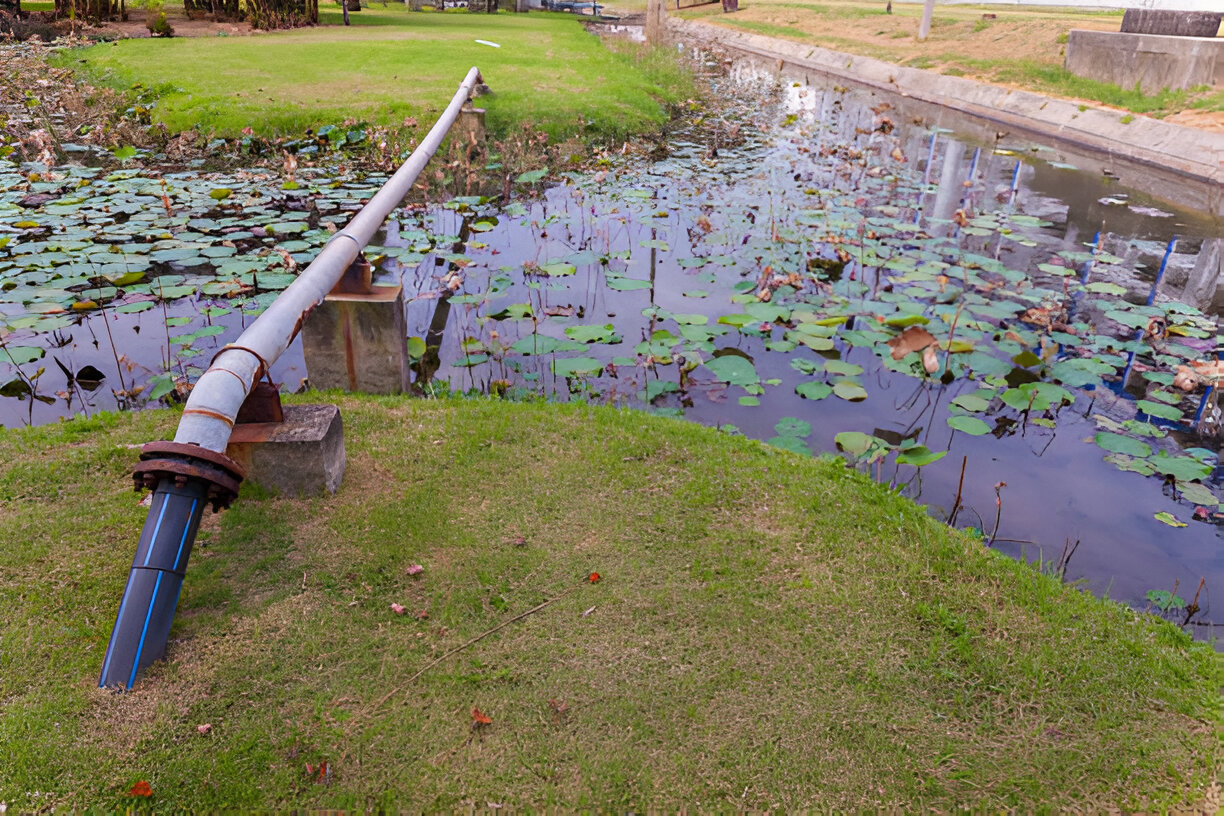
A major factor is how the pump is oriented spatially within the pond. Placing the pump precisely on the bottom of the pond raises the clogging possibility as it collects organic matter and sediment. To limit contact with deposited debris, it is best to raise the pump with a suitable platform like a flat rock or pump stand. To further lower the risk of intake blockages, the pump should be positioned away from thick vegetation and waterfall intakes.
Look for Wears and Tears
Regular inspections to identify wear and tear ensure optimal pump performance consistently. Damaged components such as the impeller, seals and the intake casing should be replaced early before more catastrophic failures occur. It is recommended to have a stock of spares and in case this is at all possible a reserve pump, particularly in ponds with delicate or otherwise valuable aquatic organisms.
Final Thoughts
Keeping the pump of a pond clear of clogs requires routine servicing, thoughtful arrangement of equipment, and inclusion of appropriate filtration mechanism. Adherence to such best practices does not only add more operational life to the pump but also facilitates healthy and aesthetically appealing environment of a pond. To obtain further assistance in the compatibility of filtration, the maintenance supplies, or equipment upgrade, it is recommendable to refer to a credible pond supply expert.