
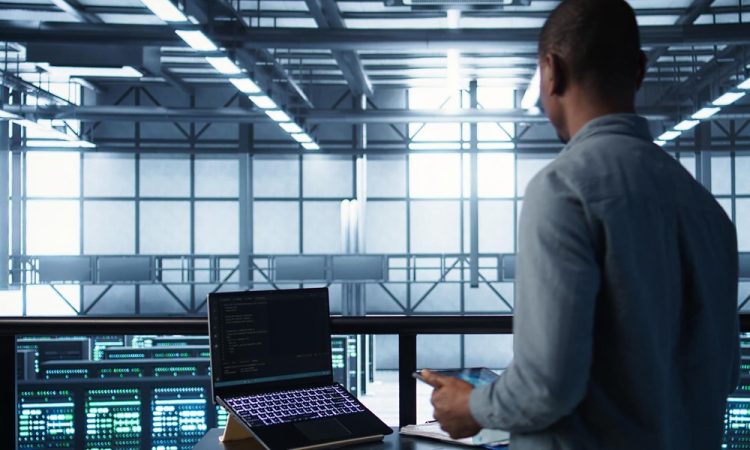
The data center is a fundamental requirement for businesses that need to sustain online operations through their websites and applications. As well as their cloud storage and other IT systems. Data centers with poor performance and frequent outages pose major issues, such as operational interruptions, financial harm, and customer dissatisfaction.
The design of a data center holds essential importance because it determines the center’s overall performance capabilities. This helps the development of both performance and reliability and enables operations to proceed without interruptions.
Understanding Data Center Design
Data center design involves creating the operational environment, including power systems, cooling methods, network infrastructure, and security measures for computer server operations. This process involves more than simply installing servers in a designated space.
Modern design requires designers to evaluate efficiency factors together with safety requirements, expansion possibilities, and energy control systems. A data center needs a well-designed system to achieve its operational peak while reducing the risk of unexpected breakdowns.
Impact on Performance
The data center achieves its performance level through the efficient operation of all its interconnected systems. This smart design creates multiple pathways that lead to performance improvements.
Proper Layout of Equipment
The careful arrangement of servers, storage devices, and networking equipment enables better airflow and maintenance accessibility. Hot and cold aisle layouts are commonly used to prevent overheating and improve cooling efficiency. This keeps the servers running faster without interruptions.
Efficient Power Management
The power system needs to function reliably so that servers receive their essential power supply without any voltage changes. Data centers today implement backup generators alongside Uninterruptible Power Supply (UPS) systems to maintain continuous power throughout operations. In this way, the entire system maintains high performance because the power supply remains consistent.
Network Optimization
The high-speed network connections, with a structured design, deliver efficient data transfer by minimizing delays. The network maintains operational continuity through redundant connections that automatically switch to backup systems when the primary systems fail.
Scalable Design
The data center needs a scalable design that enables it to manage rising demand without losing its ability to deliver services. Businesses can add more servers and storage as needed without causing delays or system strain.
Impact on Reliability
Reliability means the data center can operate continuously without unexpected downtime. Good design enhances reliability in these ways:
Redundancy
The system uses redundant components, including multiple power lines and backup servers, and duplicate networking paths to provide automatic failover protection when one element fails. This reduces the risk of service interruptions.
Effective Cooling Systems
Servers can experience unexpected shutdowns due to overheating. Modern cooling solutions, including precision air conditioning and liquid cooling systems, maintain operating temperatures within safe limits. Dependable cooling systems protect equipment from damage while ensuring operational uptime.
Security Measures
The data center uses physical and cyber security measures to protect against unauthorized access, theft, and attacks. The system maintains continuous operations through surveillance cameras, biometric access control, firewalls, and encryption.
Disaster Recovery Planning
Data center design also includes emergency preparedness. The backup data storage system, together with off-site replication enable quick service restoration during hardware failures, natural disasters, or cyberattacks.