

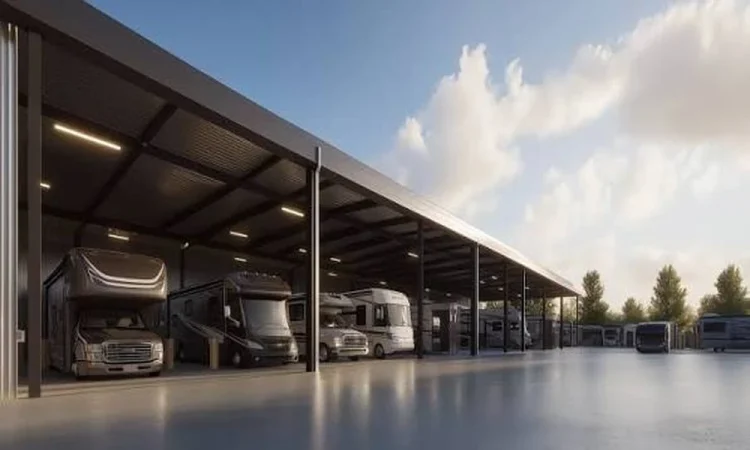
Seasonal equipment often needs a suitable place between active periods. Driveway space can become limited when larger recreational equipment remains parked.
A separate storage arrangement keeps household areas easier to manage. For suitable planning, RV storage Eagle River can support changing schedules. Storage needs may differ according to equipment size and usage. Flexible arrangements can help owners manage these changes more easily.
Space Planning for Seasonal Equipment
Large recreational equipment requires sufficient room during inactive periods. A suitable storage area keeps household parking more manageable.
Proper spacing also reduces unnecessary movement around parked equipment. Owners can arrange storage according to expected seasonal usage.
Flexible Terms for Changing Needs
Storage needs can change as seasons and plans develop. Shorter arrangements may suit temporary parking requirements better.
Longer periods can support equipment remaining unused for extended stretches. Flexible terms allow owners to match storage with actual needs.
Features Supporting Easier Storage Decisions
Several practical details deserve attention before selecting a suitable arrangement. Each feature can affect daily handling during storage periods.
- Spacious parking areas accommodate different recreational equipment sizes comfortably.
- Clear entry routes support smoother movement during collection periods.
- Suitable coverage limits exposure to changing outdoor conditions.
- Secure surroundings help reduce unwanted handling of stored belongings.
- Flexible durations support varying schedules across different seasonal periods.
- Proper spacing reduces contact between nearby stored recreational equipment.
- Convenient positioning can simplify preparation before planned outdoor activities.
- Defined parking areas help maintain better overall household organization.
Matching Storage with Equipment Requirements
Storage selection should begin with equipment measurements and movement needs. Width matters when larger recreational equipment enters or leaves.
Length also affects available room around parked equipment. Turning space deserves attention before committing to any arrangement.
Weather conditions can also influence storage preferences throughout inactive periods. Covered spaces may reduce direct exposure to rain or snow.
Open areas can suit equipment needing frequent movement. Owners should compare each option against their actual usage pattern.
What Should Seasonal Storage Plans Include?
A useful storage plan should match actual equipment requirements closely. Owners should first consider how often retrieval may happen. Frequent collection requires convenient entry with sufficient movement space. Longer storage periods may place greater importance on weather protection. Storage duration also affects the preferred type of arrangement. Temporary parking may require flexible terms without unnecessarily long commitments.
Extended periods can make coverage more relevant for outdoor preservation. For sheltered requirements, covered RV storage Eagle River may provide suitable protection. The surrounding area should remain easy to enter during collection. Clear movement reduces unnecessary handling when equipment leaves storage. Owners can also inspect stored items periodically for basic upkeep.
Helpful Answers About Storage Arrangements
Storage planning often raises practical questions before equipment gets relocated. Clear answers can make decisions easier without adding unnecessary complexity.
- How much space should recreational equipment require? Allow enough room for parking, movement, entry, and safe removal.
- Should storage duration affect the selected arrangement? Yes, expected duration can influence suitable terms and protection needs.
- Does covered storage help during inactive periods? Covered areas can reduce direct exposure to rain, snow, and debris.
- What matters most for frequent retrieval? Easy entry and sufficient turning room can make collection more manageable.
- Can storage reduce residential parking pressure? Separate parking can create additional usable room around household areas.
- Should equipment measurements be checked beforehand? Accurate measurements help prevent space problems during placement or removal.
A Practical View of Storage Choices
Different storage arrangements can serve different ownership patterns. Frequent users may value convenient entry more than extended shelter. Occasional users may place greater importance on protection during inactivity. Equipment size can also determine which spaces remain suitable. Reviewing these factors creates a clearer storage plan. No single arrangement needs to suit every ownership situation. The practical choice depends on duration, dimensions, movement, and exposure.
Consistent Planning Keeps Storage Simple
A well-planned arrangement can reduce unnecessary residential parking pressure. Clear measurements help owners select suitable spaces from the beginning. Flexible terms can accommodate changing schedules without complicated adjustments. Regular checks can also support better care during inactive periods. Steady planning usually matters more than searching for perfection.
Map Link: