

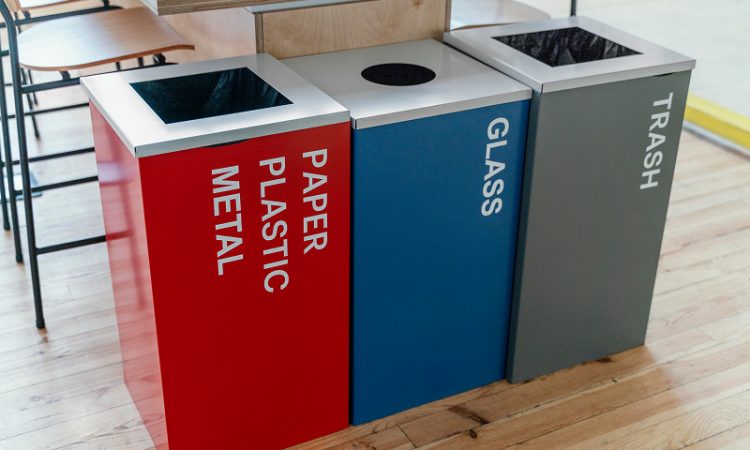
Overflowing bins are not a pretty sight. They attract pests, give off unpleasant smells, and make public areas look neglected. This is where IoT solutions for waste management come in. By placing sensors inside bins, city managers can see how full each container is and send collection trucks only when needed. This reduces wasted trips, saves fuel, and keeps streets tidier. Cities that have adopted this system report fewer overflow incidents and smoother collection schedules.
Routing Rubbish with Precision
Traditional waste collection often follows fixed schedules, regardless of how full a bin is. That means trucks may travel empty routes or miss bins that need urgent clearing. With IoT solutions for waste management, data flows in real time to a central platform. Routes can then be changed daily, ensuring drivers go where waste is actually piling up. This reduces fuel use and cuts down the time trucks spend on the road. The result is less congestion and cleaner neighbourhoods.
Counting the Costs and Savings
Transporting waste is expensive. Labour, fuel, and vehicle maintenance add up quickly. When trucks only visit bins that need attention, the savings become clear. Cities can redirect funds to other public services while still keeping streets clean. The shift to smart collection also reduces wear and tear on vehicles. Fewer miles mean longer vehicle life and lower repair bills. IoT companies in Singapore have highlighted these benefits while working with municipalities and private estates to streamline their waste handling.
A Cleaner Environment One Trip at a Time
The impact of waste trucks is not limited to roads. Each kilometre travelled releases emissions into the air. When routes shrink thanks to smarter planning, carbon emissions fall too. Cities aiming to meet sustainability goals can see waste management as a quick win. Cleaner air and fewer truck trips go hand in hand. IoT companies in Singapore often pair waste collection data with carbon tracking to show businesses and councils the measurable gains of smarter collection.
Insights Hidden in the Trash
Waste does not lie. It tells us how people live, what they consume, and how habits change over time. IoT solutions for waste management help capture this information. By studying fill patterns and peak disposal hours, managers can plan better. For example, bins near food centres may need extra pickups in the evening, while residential areas may peak in the morning. Data from sensors reveals these patterns clearly, turning trash into valuable knowledge.
Keeping Safety in the Picture
Waste management is about more than rubbish piling up. Some bins can become hazards. Fires, leaks, or dangerous fumes can pose risks to both the public and workers. Sensors that measure temperature and gas levels can alert teams quickly. A fast response prevents small problems from becoming costly emergencies. IoT companies in Singapore have begun testing these safety features in high-density zones, proving that efficiency and safety can share the same bin.
Building Trust in Cleaner Streets
People notice when bins stay clean and streets look tidy. It builds trust in local services and lifts community spirit. Nobody wants to step around rubbish spilling onto walkways. When collection teams arrive at the right time, cleanliness becomes the standard, not the exception. This subtle change encourages proper waste habits and makes cities feel cared for.
The Road Ahead for Smarter Waste
Cities around the world are already seeing how smart systems make waste management less messy and more efficient. With proven benefits in cost, cleanliness, and safety, the case for adopting IoT in waste handling is strong. Singapore, with its focus on smart living, is well placed to expand the use of these solutions. As more councils and businesses see the results, the path from clutter to clarity becomes clearer. Contact Overdrive to learn how smart waste management can help your city or business keep things clean, efficient, and on schedule.