

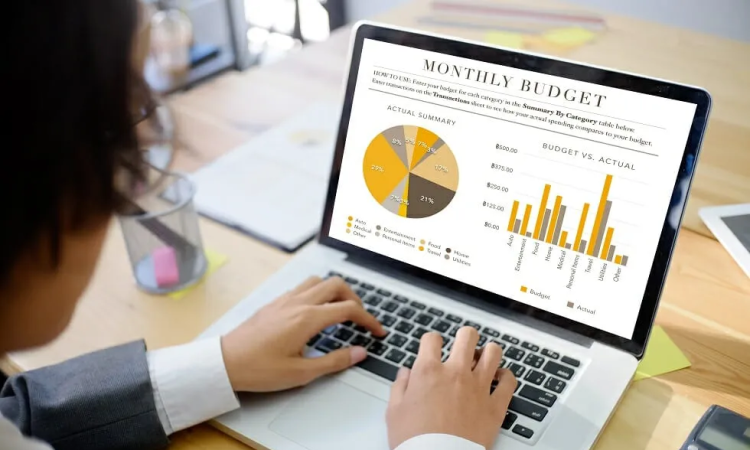
No matter the size of a company, one key factor that determines its success is how well it manages its budget. Even if a business is generating high sales, poor handling of cash flow can lead to serious financial problems and slow down growth.
While many companies still rely on tools like spreadsheets to manage their budgets, this manual approach is often prone to errors and inefficiencies. In fact, studies show that nearly 9 out of 10 spreadsheets contain mistakes, and these errors can become even more costly as the number and value of transactions grow — sometimes leading to financial losses worth millions.
This is why investing in dedicated business budgeting software is such a smart move. These tools are designed to streamline financial processes, reduce errors, and provide better insights into spending. There are many solutions available today, offering flexible plans tailored to small businesses as well as advanced systems built for large organizations.
In this guide, we’ll explore seven powerful budgeting software options and help you understand how to choose the best one for your team.
What Is Business Budgeting Software?
The main purpose of business budgeting software is to simplify and automate the budgeting process, which often takes a lot of time and manual work from finance teams. While every company’s needs may differ based on how they operate, there are a few key features that high-quality budgeting tools should include:
Live expense tracking: Real-time monitoring ensures you always know how much money is available and how much has been spent. This not only helps prevent overspending but also provides deeper insights into spending habits, allowing for smarter financial decisions.
User-friendly interface: Reviewing financial reports and budget statements should be easy to understand, even for non-finance teams. A clear and simple overview of spending helps improve communication and collaboration across departments.
Process automation: Automating repetitive tasks saves time, reduces costs, and improves overall efficiency. With fewer manual processes, finance teams can focus on more strategic and profitable work.
Cloud-based access: Relying on physical paperwork or local files can limit growth. With cloud-based software, financial data is always accessible — whether at the office or on the go — and there’s no risk of losing important documents.
Top Business Budgeting Tools to Explore
Finding the right budgeting software starts with understanding your company’s specific needs. The features that work best for a small business might not be suitable for a large enterprise, and vice versa. Most providers offer flexible plans designed for different business sizes and requirements.
Best Options for Small Businesses and Independent Professionals
1. Ideal for Growing Small Businesses
This type of software is perfect for solo professionals and small companies but also offers features that can scale up as the business grows. It helps manage key tasks like payments, payroll, and bookkeeping from a desktop or mobile device. It also provides a complete view of your finances by connecting with bank accounts and other business tools. Budgeting and cash flow forecasting features are particularly helpful for small businesses aiming to expand.
Key advantages:
- Reduces administrative workload for smaller companies.
- Provides continuous customer support and learning resources.
- Includes extensive tutorials and training materials for beginners.
2. Great for Simple Financial Management
Designed with small teams and independent business owners in mind, this solution focuses on simplicity and usability. It offers a clean and clear dashboard that makes financial data easy to understand at a glance. It’s ideal for basic budgeting and forecasting tasks, offering features like expense tracking, invoice creation, and budget estimate generation.
However, it might not be suitable for more complex financial planning. Additionally, costs can increase if you want to add more team members to your account.
Key advantages:
- Designed for individuals and very easy to use.
- Affordable starting plans with essential features.
3. Best for Beginners in Accounting
This cloud-based tool is a great choice for business owners with little or no accounting experience. It automates essential tasks like invoicing, expense tracking, and real-time cash flow monitoring. The simple design makes it easy to use, but it offers limited customization options and may not support more advanced needs.
Key advantages:
- Accessible for users with minimal accounting knowledge.
- Automates core financial processes in one platform.
Best Tools for Medium to Large Companies
4. Designed for Advanced Financial Planning
This solution is ideal for companies needing more sophisticated budgeting, forecasting, and financial analysis. It allows finance teams to create detailed model budgets and run scenario planning with integrated data from multiple sources. While it’s powerful, it’s typically desktop-based and lacks a mobile version.
Key advantages:
- Helps teams assess the impact of financial decisions.
- Delivers more accurate forecasts through detailed analysis.
5. Best for Scalable Enterprise-Level Budgeting
Built for larger organizations, this platform helps businesses respond quickly to market changes by streamlining budgeting processes and offering detailed insights into overall spending. It removes the need for manual spreadsheets and improves the accuracy of financial planning.
Key advantages:
- Allows finance teams to test different budget scenarios.
- Fully automates the budgeting and forecasting process.
Best Tools for Workflow Automation and Scaling Up
6. Focused on Comprehensive Spend Management
This solution offers strong budgeting capabilities combined with workflow automation. It gives finance teams full visibility over company finances while automating processes like invoice management and expense reimbursements. It also simplifies spending with features like pre-approved payment cards and virtual cards for specific purchases.
Key advantages:
- Speeds up and improves accounts payable processes.
- Enhances productivity while saving time and money.
- Reduces redundant tasks to help teams focus on growth.
7. Combines Budgeting with Project Management
This option brings together financial tracking and workflow optimization. Real-time financial reporting helps identify spending patterns, risks, and opportunities. It also integrates with other tools to manage tasks and calendars, making it ideal for businesses that want to link financial management with overall project planning.
Key advantages:
- Helps companies scale faster by improving both finances and workflows.
- Enables central management of multiple financial accounts from one platform.
Find the Best Budgeting Solution for Your Business
Choosing the right budgeting tool can transform the way your business handles finances. It’s not just about managing cash flow — it’s about improving decision-making, enhancing collaboration, and setting the foundation for sustainable growth. With the right software, finance teams can automate repetitive work, minimize errors, and gain deeper insights into spending patterns.
As your company grows, having a reliable budgeting system becomes even more important. It allows you to plan for the future with confidence, make smarter financial decisions, and focus more on strategic goals rather than routine tasks. By understanding your team’s needs and selecting a solution that fits your operations, you’ll be setting your business up for long-term financial success.