
Table of Contents
- Introduction
- Early Detection of Issues
- Enhancing Safety
- Improving Fuel Efficiency
- Extending Vehicle Lifespan
- Maintaining Resale Value
- Key Maintenance Practices
- Conclusion
Introduction
Routine vehicle maintenance is crucial to responsible and cost-effective car ownership, not merely a recommendation. Staying on top of scheduled servicing helps prevent sudden breakdowns and reduces the likelihood of expensive repairs caused by neglect. Proactive care keeps your vehicle running smoothly, preserves its safety features, and ensures a dependable driving experience day after day. For drivers in British Columbia, finding a trusted automotive repair service West Vancouver means access to professional care that keeps your vehicle roadworthy, efficient, and ready for the road ahead.
Overlooking regular service checks can lead to preventable problems, impacting everything from fuel efficiency to resale value. A consistent maintenance routine is the best defense against costly repairs and ensures a smooth ride for years. Whether you’re approaching scheduled service intervals or noticing subtle changes in performance, addressing issues early leads to long-term savings and security. Learn how consistent car care translates directly into fewer headaches at the repair shop, higher resale values, and greater peace of mind.
Early Detection of Issues
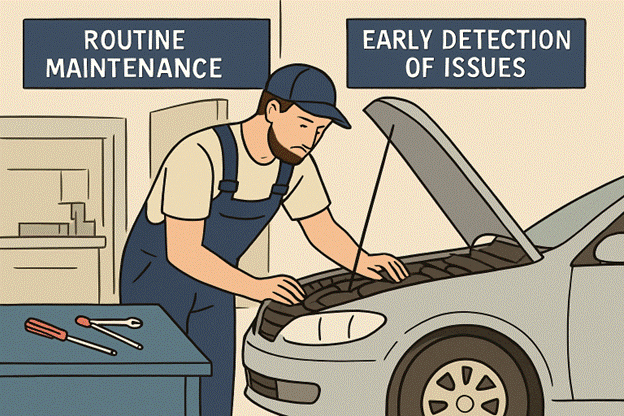
Regular inspections and timely servicing allow automotive professionals to identify minor faults before they escalate. For instance, when found early, a slightly cracked serpentine belt is a minor repair. Still, if left unchecked, it can snap and damage your engine’s alternator or water pump, leading to emergency repairs and potential roadside breakdowns. Skilled technicians rely on routine checks to catch such developments, which shields you from inconvenience and extra expenses in the long run.
Early detection also supports your safety and helps maintain critical systems. Subtle signs, like uneven tire wear or small leaks, can reveal alignment issues or failing gaskets that might otherwise go unnoticed. Reliable maintenance and repair guides highlight the importance of addressing these indicators promptly to extend the life of your vehicle’s essential components.
Enhancing Safety
The safety benefits of proactive car service are undeniable. Careful attention to key features such as brakes, tires, and steering helps reduce the risk of accidents and mechanical failures. Replacing brake pads before they become dangerously thin, inspecting tire treads for grip and alignment, and maintaining steering responsiveness are vital in keeping drivers, passengers, and other road users safe. When critical safety systems are serviced according to manufacturer recommendations, you drive with greater confidence and peace of mind.
Regular auto servicing ensures that airbags and electronic stability controls are operational, especially in challenging weather conditions. Keeping up with recommended service intervals also minimizes the likelihood of being stranded due to avoidable mechanical problems.
Improving Fuel Efficiency
Consistent maintenance directly impacts how efficiently your vehicle uses fuel. Simple measures such as oil changes, replacing air filters, and keeping tire pressure within the manufacturer’s specifications lead to optimum engine performance and greater fuel economy. Even minor lapses in maintenance can cause your car to work harder and burn more gas, driving up costs over time. As Forbes highlighted, a well-maintained car can save drivers hundreds of dollars annually on fuel alone.
Monitoring your vehicle’s fluid levels, spark plugs, and fuel system ensures the engine operates smoothly and emits fewer pollutants. An efficient engine saves money and helps protect the environment by reducing exhaust emissions.
Extending Vehicle Lifespan
Vehicles are designed to perform for hundreds of thousands of miles, but this lifespan is only achievable with regular care. Key services like oil and filter changes, fluid flushes, and tire rotations remove harmful deposits and reduce wear, keeping vital systems resilient. Conversely, neglected maintenance can cause cumulative damage that shortens your car’s useful life and accelerates the need for costly repairs or a replacement vehicle.
Consistent upkeep improves overall mechanical health, allowing components such as the engine, transmission, and braking system to operate optimally well into the future.
Maintaining Resale Value
When it comes time to sell or trade in your vehicle, a documented maintenance history sets your car apart in the resale market. Prospective buyers and dealerships prefer vehicles with clear service records, as they offer peace of mind that the car has been cared for and is less likely to face undetected problems. Regularly serviced cars often command higher prices, while poorly maintained models might lose value or linger unsold.
Keeping a detailed log of routine maintenance—such as fluid changes, brake servicing, and tire rotations—demonstrates responsible ownership and builds trust with potential buyers. This shortens the time your car spends on the market and can put more money in your pocket at sale time.
Key Maintenance Practices
To get the most out of routine auto service, prioritize these fundamental practices:
- Oil Changes: Refresh oil and filters every 5,000–7,500 miles to preserve engine cleanliness and prevent internal wear.
- Brake Inspections: Examine pads and rotors frequently for signs of wear, ensuring your braking system remains responsive.
- Tire Maintenance: Rotate tires and maintain recommended pressure for balanced handling and extended tread life.
- Fluid Checks: Regularly monitor vital fluids—including coolant, transmission, and brake fluid—to support consistent performance.
- Battery Testing: Check your battery during routine service visits to avoid unexpected shutdowns.
Following these steps helps prevent larger issues and increases the reliability of your daily commute or road trips. When performed consistently, these basic tasks create a significant return on investment by minimizing long-term vehicle expenses.
Conclusion
Adopting a proactive approach to car maintenance saves money, boosts safety, and assures long-term vehicle performance. By investing attention in basic services and trusting dedicated providers, you keep your car reliable and road-ready, regardless of the journey. Committing to regular check-ups safeguards your investment and keeps you from dealing with costly surprises down the road, ensuring years of dependable driving ahead.