


In an era where environmental consciousness is no longer a niche preference but a global mandate, the packaging industry is undergoing its most significant transformation since the invention of plastic. For decades, packaging was viewed merely as a vessel-a means to get a product from point A to point B. Today, however, the narrative has shifted. As consumers and regulators alike demand accountability, the focus has turned toward “circularity.”
Eco-friendly packaging is not just about swapping materials; it’s about rethinking how we protect, transport, and consume goods. To understand where we are headed, we must look at the convergence of material science, consumer behavior, and the industrial expertise of those providing the building blocks of modern commerce.
Beyond the Plastic Horizon
The first wave of this revolution focused heavily on biodegradability. While paper straws and compostable bags were a start, the next generation of packaging is far more sophisticated. We are seeing the rise of “intelligent” materials-substrates derived from seaweed, mushroom mycelium, and even agricultural waste that mimic the durability of plastic without the thousand-year environmental footprint.
However, material science is only one aspect of the problem. Digital integration is the other. Smart packaging, which uses QR codes or NFC tags to provide consumers with detailed recycling instructions or origin stories, ensures that the responsibility of disposal is shared between the manufacturer and the end-user. This transparency is increasingly becoming the benchmark for brands striving to gain consumer trust.
Designing for a Circular Economy
The industry is moving away from the “take-make-waste” model toward a circular economy. In this new framework, packaging is designed from the outset to be recovered and reintegrated into the production cycle. This involves “monomaterial” design-creating packaging from a single type of polymer or fiber to make mechanical recycling infinitely more efficient.
Furthermore, the aesthetic of “green” is evolving. Luxury and retail brands are proving that sustainability does not have to look “recycled” or dull. High-performance coatings and vibrant, vegetable-based inks are ensuring that eco-friendly options provide the same premium feel and shelf appeal as their traditional counterparts. This ensures that “going green” does not require a compromise on quality or brand identity.
Addressing the Global Scale
One of the greatest challenges in the shift to sustainable packaging is scalability. It is one thing to create a compostable wrapper for a local boutique; it is quite another to provide durable, safe, and attractive packaging for global supply chains that span continents. This is where the intersection of chemistry and logistics becomes vital. The future depends on high-performance materials that can withstand heat, moisture, and friction while remaining environmentally benign.
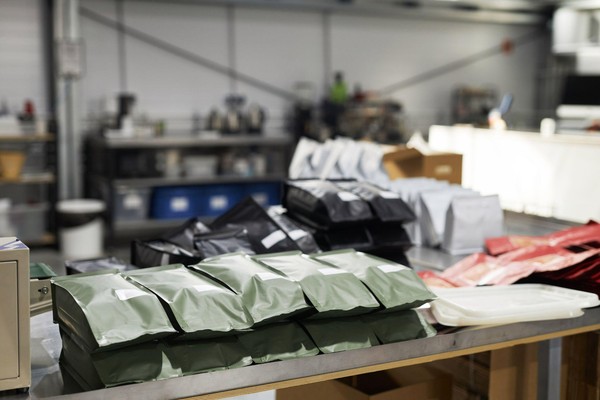
As the world pivots toward these sustainable solutions, the role of chemical manufacturers becomes pivotal. Advanced chemistry is the silent engine behind these innovations, providing the resins, pigments, and functional coatings that make sustainable packaging possible. Without these foundational elements, the transition to a circular economy would be impossible to achieve at the scale required to save our oceans and landfills.
Innovative Mono-Material Packaging Solutions
DIC Corporation is driving innovation in sustainable packaging with advanced mono-material solutions. Designed to match the performance of traditional multilayer films, these packaging structures deliver strong durability and high product protection while remaining fully recyclable.
A major challenge in mono-material packaging is maintaining effective barrier properties against moisture and oxygen. DIC addresses this by incorporating innovative materials and technologies that enhance barrier performance within a single-material structure. Their technologies provide:
- Oxygen barrier protection to maintain product freshness
- Fragrance barrier properties to preserve aroma and prevent odor transfer
- Heat resistance for reliable processing and storage
- High productivity to support efficient manufacturing
- Recyclability to enable integration into existing recycling streams
The result is packaging that keeps products fresh and safe-without compromising recyclability-supporting a more sustainable circular economy.
DIC Group is a global leader in printing inks, organic pigments, and high-performance resins. They are dedicated to tackling the world’s most challenging issues by creating sustainable value that improves the human condition. They are working to create a brighter, more sustainable future for all, from mono-material packaging solutions to electronics and healthcare. or today.