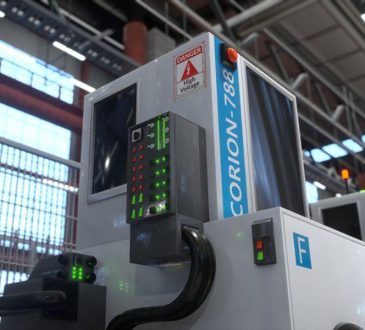


An air compressor takes in air, squeezes it tightly, and stores it in a tank, ready to be released when needed. That’s it, in a nutshell. This compressed air isn’t just sitting around for fun. It’s used to power tools, pump tyres, clean surfaces, and much more. When the air is released, it shoots out with force, doing the hard work for you. Think of it as having a wind genie in a box, except it runs on motors, not magic.
While some folks might associate them with auto shops or industrial settings, having an air compressor in Singapore is becoming a common sight in homes and small businesses, too. Whether you’re fixing up furniture or inflating a pool float, a little puff goes a long way.
How It Works: Nothing Too Airy-Fairy
At its core, the machine draws in air through a filter, then uses either a piston or a rotary screw to compress it. This action increases pressure while reducing volume. The compressed air then waits in a tank, like a sprinter on the starting line, until it’s let loose through a hose or nozzle.
Once released, this pressurised air powers everything from spray guns to nailers, and even breathing masks in scuba diving kits. The uses are varied, but the process remains refreshingly straightforward. If you’re thinking of getting an air compressor in Singapore, it helps to know how much power you need. Different tasks require different levels of pressure, and getting that part wrong could leave your tools feeling rather flat.
Where Air Compressors Get the Job Done
They might not wear capes, but air compressors are the unsung workhorses across many industries. In manufacturing, they power machines and conveyor belts. In construction, they give life to jackhammers and drills. Even dentists use them to operate cleaning tools. The same machine that powers your impact wrench might also be keeping your local dentist’s kit humming.
This versatility makes them appealing to workshops of all sizes, and of course, finding the right fit matters. For small operations, a portable compressor might be just the ticket. Larger outfits, on the other hand, may need heavy-duty machines built to handle full days of tool action.
What Makes Them Tick (Or Hiss)?
Air compressors come in several types. The most common are piston compressors and rotary screw compressors. Piston types use cylinders to squeeze the air. They’re simple and widely available. Rotary screw versions use two meshed rotors, providing a smoother and more continuous airflow, making them popular in industrial settings.
Another key distinction is oil-lubricated versus oil-free compressors. Oil-lubricated units are built for endurance and tend to be quieter. However, they need more upkeep. Oil-free ones are lighter and require less maintenance, which makes them ideal for indoor use or clean environments.
If you’re looking for an air compressor supplier in Singapore, chances are you’ll encounter both types. It all comes down to what job needs doing, how often, and where.
A Puff of Progress: Tech Advancements in Air Compression
While the core concept remains simple, new features have made modern compressors easier to use. Many now come with digital controls that monitor air pressure and warn users of maintenance needs. Some units are built with variable speed drives, helping businesses save on electricity by adjusting motor speed based on actual demand. Quiet motors and compact builds are also gaining popularity, especially in urban setups where space and noise matter.
Energy-efficient models are particularly appealing in Singapore, where operating costs and space-saving considerations are top priorities. And with climate control systems also depending on compressors, their reach extends far beyond hardware stores.
Buying Tips Without the Hot Air
Choosing the right air compressor isn’t about grabbing the biggest one. It’s about matching capacity with usage. Will it power one tool at a time or several simultaneously? Does it need to be mobile? Is quiet operation important? These questions help narrow your options fast.
Location matters too. If you’re in a tight space, a vertical tank saves room. For mobile work, a compact and lightweight model works best. A reliable air compressor in Singapore is not hard to find, but the right one for your needs? That’s worth a little extra research.
Keep It Running: Maintenance Without Mayhem
Even the best air compressor will wheeze if neglected. Regular checks on filters, drains, and oil levels (for lubricated models) are essential. Moisture can build up inside tanks, so draining them is not optional. A few minutes of care here and there can save you from big repairs or pressure drops.
For businesses relying on consistent airflow, scheduled maintenance becomes non-negotiable. It’s also where a dependable air compressor supplier in Singapore comes in. Many offer service packages and spare parts, ensuring downtime doesn’t put a pin in your productivity.
Give Your Toolkit Some Air Time
Whether you’re powering tools, cleaning out crevices, or inflating anything from tyres to trampolines, air compressors earn their keep. They’re simple to understand, flexible in use, and surprisingly easy to maintain when you get the basics right.
Contact Beng Chuan Machine to find the right air compressor for your tools, your space, and your workday. Get advice, service, and support that won’t leave you deflated.