

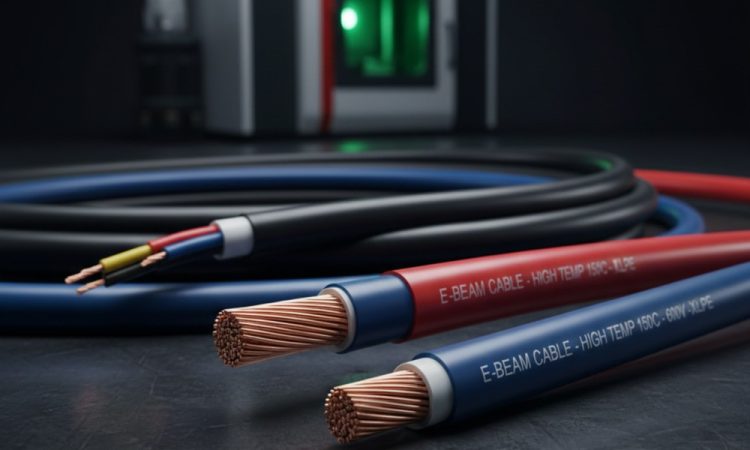
When a major automotive parts manufacturer experienced repeated system failures in their e-beam welding line, they discovered the culprit wasn’t their equipment it was widespread misinformation about e-beam cables. This costly mistake isn’t unique. In the specialized world of electron beam technology, myths and misconceptions can lead to equipment damage, safety risks, and significant financial losses. Let’s debunk the most common myths that could be affecting your operations.
Myth #1: All High-Voltage Cables Work for E-Beam Applications
The Myth: Many engineers assume that any high-voltage cable can handle e-beam systems. After all, if it manages high voltage, it should work, right?
The Reality: E-beam cables operate in unique environments that standard HV cables aren’t designed for. Unlike regular high-voltage applications, e-beam technology requires cables that function in vacuum conditions. Standard cables release gases (outgassing) that contaminate the vacuum chamber and compromise beam quality. Additionally, e-beam cables must withstand constant radiation exposure, which degrades standard cable insulation rapidly.
What to Do: Always specify vacuum-rated, radiation-resistant cables designed specifically for e-beam technology. Verify outgassing rates and radiation resistance specifications before purchasing.
Myth #2: E-Beam Cables Are Maintenance-Free
The Myth: Once installed, e-beam cables don’t need regular inspection or maintenance-they’ll simply work until they fail.
The Reality: E-beam cables face harsh operating conditions. Radiation exposure gradually breaks down insulation materials. Thermal cycling causes expansion and contraction that stresses connections. Without regular maintenance, these factors lead to unexpected catastrophic failures that shut down production lines.
What to Do: Establish a quarterly inspection schedule. Check for insulation discoloration, corona discharge signs, and connection integrity. Test insulation resistance annually. This simple maintenance prevents costly emergency replacements and unplanned downtime.
Myth #3: Higher Voltage Rating Always Equals Better Performance
The Myth: Buying cables with the highest possible voltage rating provides maximum safety and performance.
The Reality: Over-specified cables create unnecessary problems. Higher-rated cables are typically larger, more rigid, and significantly more expensive. In space-constrained e-beam systems, excessive cable size complicates installation. The reduced flexibility can stress connectors and limit system configuration options. Properly engineered cables already include appropriate safety factors.
What to Do: Match cable voltage ratings to your actual operating requirements plus standard safety margins. Consider all specifications-flexibility, size, and cost-not just voltage rating. Consult with e-beam specialists to determine optimal specifications.
Myth #4: Cable Failures Are Random and Unpredictable
The Myth: E-beam cable failures happen without warning, making them impossible to predict or prevent.
The Reality: Cable failures follow predictable patterns. Warning signs include visible corona discharge around connections, insulation becoming brittle or discolored, and gradual performance degradation. Most cables have expected lifespans based on operating conditions. Tracking operating hours, radiation exposure, and thermal cycles helps predict replacement timing.
What to Do: Implement condition monitoring. Document cable installation dates and operating conditions. Train operators to recognize early warning signs like unusual odors, visible damage, or performance changes. Replace cables proactively based on data rather than waiting for failures.
Myth #5: All E-Beam Cables Are Basically the Same
The Myth: E-beam cables are commodities-the cheapest option from any manufacturer will perform equally well.
The Reality: Significant quality differences exist between manufacturers. Material purity, manufacturing processes, quality control rigor, and testing standards vary widely. Premium manufacturers use superior dielectric materials and more stringent testing protocols. These differences dramatically affect cable lifespan, reliability, and total cost of ownership.
What to Do: Evaluate manufacturers based on certifications, testing documentation, and industry track record. Consider total cost of ownership, including expected lifespan and failure rates, not just initial purchase price. Partner with reputable suppliers who provide technical support.
Conclusion
These myths cost companies thousands in unnecessary downtime, emergency replacements, and damaged equipment. In precision industries using e-beam technology, informed decisions about cable selection and maintenance are critical. Don’t let misconceptions compromise your operations.