

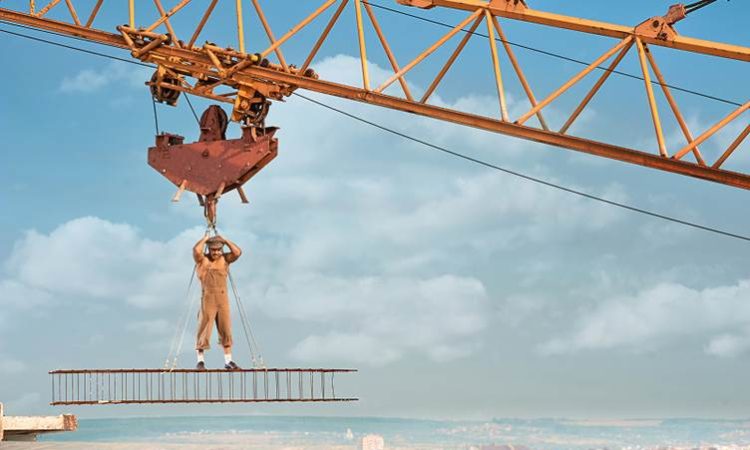
When it comes to heavy lifting, trusting your crane without testing it is like trusting a parachute you have never unfolded. A crane that worked yesterday may not be safe today. Load testing serves as a basic check that helps keep sites safe and operations on track. A dependable crane company in Singapore will always prioritise this step, knowing that safety can’t be guessed. Yet some people still treat it like a chore rather than a checkpoint.
What Is Load Testing?
Load testing checks whether a crane can lift and hold the loads it’s rated for. It simulates real working conditions by lifting a test weight, usually 100% to 125% of the crane’s rated capacity. This test exposes any mechanical flaws or hidden weaknesses that might lead to failure. It’s a lift-now-or-pay-later situation.
It’s also a requirement. Under Singapore’s Workplace Safety and Health Regulations, cranes must be tested before first use, after major repairs, and at intervals not exceeding 12 months. A crane company in Singapore that skips this step risks fines, delays, and worse, accidents that could’ve been avoided with a proper check.
Load Testing Covers More Than Lifting Alone
People often assume load testing only involves seeing if the crane can hoist a heavy object. It’s more than that. Engineers also look at how the structure behaves under stress. Is the boom flexing too much? Are the brakes holding firm? Are there unusual noises, vibrations, or signs of wear? If anything seems off, that crane should be benched until it’s fixed.
A reliable crane service in Singapore knows how to carry out these tests with precision. The process includes the hoist along with the trolley, bridge, wheels, limit switches, and support structures. Every moving and fixed part comes under scrutiny.
Why Load Testing Is Worth the Effort
Skipping load testing can feel like saving time and money, but it often backfires. One broken cable or a worn-out gear can stop work for days or even weeks. Worse, it could cause injury or damage.
On the flip side, consistent load testing offers more than peace of mind. It improves insurance compliance, extends crane lifespan, and supports smoother site audits. Clients and contractors trust a crane company in Singapore that can show full records of regular inspections and load tests. It’s proof that the equipment is well-maintained and fit for purpose.
Avoiding Trouble Before It Starts
Most issues that lead to crane failures don’t happen overnight. They build up. A cracked weld, a frayed rope, or a slipping brake pad will show signs during a load test long before anything snaps.
Visual inspections also play a key role. While they don’t replace load testing, they go hand-in-hand. Cranes should be checked regularly for oil leaks, loose bolts, bent hooks, and signs of corrosion. A competent crane service in Singapore will know exactly what to look for, how often to inspect, and when it’s time to sound the alarm.
When Should Load Testing Happen?
Timing matters. Here are a few moments when load testing should never be skipped:
After Installation or Major Repairs
Any new or newly-repaired crane should be tested before going into active duty. You wouldn’t drive a car straight from the garage into a race, so why lift heavy loads without a quick test first?
After Relocation
Cranes that are dismantled and set up again need to prove their fitness. Joints, welds, and anchoring may behave differently in a new environment.
After Modifications
Changed your crane’s hook, hoist, or boom? Then it’s time for a test. Even small upgrades or replacements can affect lifting ability.
On a Scheduled Basis
Annual testing should be part of standard practice. Stick to the schedule and you’re more likely to catch wear and tear early.
Compliance Is Only One Part of the Picture
Yes, regulations require testing. But meeting legal standards is the baseline, not the benchmark. Reliable crane performance depends on more than a stamp of approval. Regular load tests create a habit of caution, a mindset that values safety before speed.
It also helps your team build trust in the equipment. If they know the crane has passed all its checks, they’ll work with more confidence. That confidence translates into fewer delays and a smoother rhythm on-site.
Choosing the Right Team for the Job
Don’t leave load testing to anyone with a wrench and a stopwatch. Partner with a trusted crane company in Singapore that offers full-service inspection, load testing, and preventive maintenance. They should provide proper certification, detailed reports, and clear advice on any repairs needed.
Likewise, if you already work with a crane service in Singapore, ask for a review of your testing schedule. If your records are thin or outdated, now’s the time to act.
Stay Lift-Ready with Routine Checks
Load testing may not draw attention, but it’s among the most important actions to keep your site moving and your team safe. Just like you wouldn’t use a ladder with a cracked rung, don’t use a crane with an unproven lift.
Contact Shin Guan to schedule your next load test or full crane check-up. Don’t leave safety hanging; lift with confidence.