
Value Civil Engineering Services Add in Site Drainage and Stormwater Management Planning

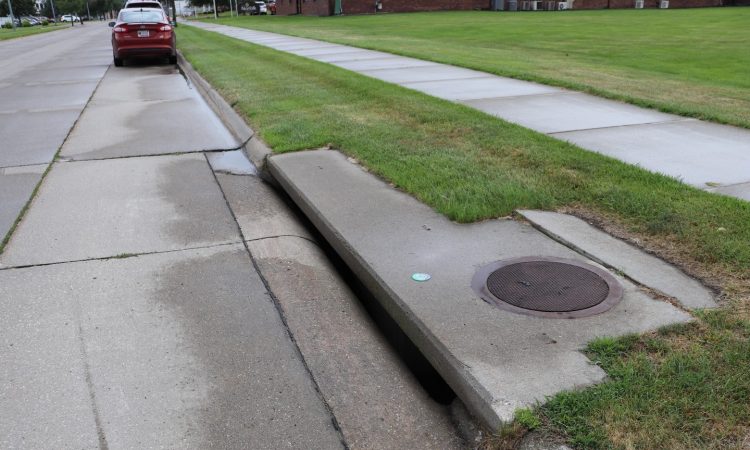
Every piece of land tells its own story, shaped by slopes, soil types, and the way water moves across it. Smart planning ensures that these natural features work with future development instead of against it. Civil engineering services in Huntsville show just how much site drainage and stormwater management add to long-term land value.
Grading Adjustments Designed to Direct Surface Water Away from Critical Structures
Grading plays a central role in how water flows across a site. Engineers study natural slopes and adjust contours so that rainfall is guided away from foundations, roadways, and utility corridors. This prevents surface water from pooling near structures where it can seep into basements or undermine pavement. Proper grading also helps prevent costly damage that occurs if runoff is left unmanaged.
Civil engineering consultants often design grading plans with precision tools that model surface elevations. By adjusting elevations just a few inches, runoff can be diverted safely toward storm drains or landscaped swales. Huntsville engineering firms frequently emphasize that grading done correctly early in the process saves property owners significant repair costs later. It also supports long-term durability in both residential and commercial developments.
Detention Basins Engineered to Control Peak Runoff During Major Storms
Detention basins serve as temporary holding areas for stormwater. They are engineered to capture excess runoff during heavy rainfall, then release it at a controlled rate. This prevents downstream flooding and reduces strain on municipal drainage systems. Without these basins, peak runoff could overwhelm nearby streams or damage adjacent properties.
Civil engineering and land development teams often design detention basins with both hydraulic performance and aesthetics in mind. These basins can be landscaped to double as open space or recreation areas when dry, offering community value beyond stormwater control. Huntsville engineering firms frequently combine detention strategies with other water management systems, ensuring neighborhoods stay safe during extreme weather events.
Retention Features Integrated to Recharge Groundwater While Reducing Flood Risk
Retention features differ from detention basins because they permanently hold water on site. By allowing water to slowly infiltrate into the ground, they help replenish groundwater supplies while also minimizing downstream flooding. These features support sustainable water cycles that benefit both the environment and the community.
Civil engineering services often incorporate retention ponds into residential and commercial projects. These ponds not only manage runoff but can also serve as amenities, with walking trails or landscaped edges that enhance property values. Civil engineering consultants explain that balancing flood reduction with groundwater recharge is one of the most effective ways to promote long-term site stability and environmental health.
Subsurface Drainage Networks Laid out to Handle Saturated Soil Conditions
Surface measures are only part of the plan—subsurface drainage networks provide the hidden structure that keeps soil stable under saturated conditions. Perforated pipes, gravel trenches, and underground channels move water away from building sites and pavements before it creates instability. This hidden infrastructure prevents standing water that can compromise roads, foundations, and athletic fields.
Civil engineering and land development projects in Huntsville often require subsurface drainage due to clay-heavy soils that hold moisture. Engineering consultants carefully design layouts to ensure groundwater is managed without causing downstream issues. These networks extend the life of infrastructure and reduce long-term maintenance costs, making them a critical part of professional drainage planning.
Erosion Control Measures Incorporated into Long Term Site Stabilization Plans
Without erosion control, runoff can strip away soil, leaving slopes unstable and damaging waterways with sediment. Engineers use a mix of vegetative cover, geotextiles, and structural barriers to keep soil in place during and after construction. These methods not only protect the site but also preserve water quality downstream.
Civil engineering services prioritize long-term erosion control in site plans. Huntsville engineering firms often apply techniques such as silt fences, riprap, or reinforced turf to ensure slopes remain intact. Over time, stabilized landscapes require less repair, reducing both costs and environmental impacts. These measures represent a balance between functionality and sustainability in land development.
Stormwater Quality Improvements Achieved Through Filtration and Settling Systems
Managing the quantity of stormwater is only half the equation—its quality also matters. Filtration and settling systems remove pollutants before runoff reaches streams, lakes, or groundwater. These systems can include vegetated swales, sand filters, or constructed wetlands that trap sediments and absorb contaminants.
Civil engineering consultants design stormwater quality measures to comply with strict environmental standards while also enhancing community spaces. Huntsville engineering firms frequently combine filtration systems with landscaping features, creating green infrastructure that looks natural while serving a vital role in water management. These systems help ensure that development does not degrade local ecosystems.
Regulatory Compliance Maintained Through Accurate Hydrologic Modeling
Accurate hydrologic modeling gives civil engineers the ability to predict how water will move across a site during storms. These models ensure compliance with local, state, and federal regulations that govern stormwater management. Without precise calculations, a project risks fines, delays, or redesigns.
Civil engineering and land development professionals use advanced software to simulate storm events of varying magnitudes. Civil engineering services in Huntsville rely on these models to demonstrate compliance and gain project approvals. By building drainage systems that meet regulatory expectations, engineers help ensure that new developments remain both safe and legally sound.
Sustainable Water Management Practices Aligned with Future Land Development Goals
Sustainable water management goes beyond compliance—it prepares land for growth decades into the future. Engineers design systems that not only manage stormwater but also promote conservation and ecological balance. This forward-thinking approach integrates green infrastructure, groundwater recharge, and long-term resiliency planning.
Civil engineering consultants often highlight how sustainable practices can increase land value and community appeal. Huntsville engineering firms design projects that align with local development goals, blending functionality with environmental responsibility. Civil engineering services that focus on sustainability ensure that sites remain productive, attractive, and resilient to changing weather patterns for years to come.