
Why Flexible Wires and 2 Pin Power Cords Are Critical for Modern Electrical Applications


Flexible wire construction requires fundamentally different conductor stranding and insulation formulations compared to solid or semi-flexible cables because applications demanding flexibility subject conductors to repeated bending stress that causes strand breakage and eventual circuit failure when cable designs optimise for initial cost rather than bend cycle life. Most manufacturers specify minimum strand counts that barely meet flexibility standards while actual application requirements in appliance cords, portable tools, and movable equipment installations demand considerably finer stranding for reliable service. Standards define minimums. Applications need margins. The gap between specification compliance and field reliability determines warranty costs and customer retention rates across thousands of installed units.
Conductor Stranding Patterns Determine Flex Life
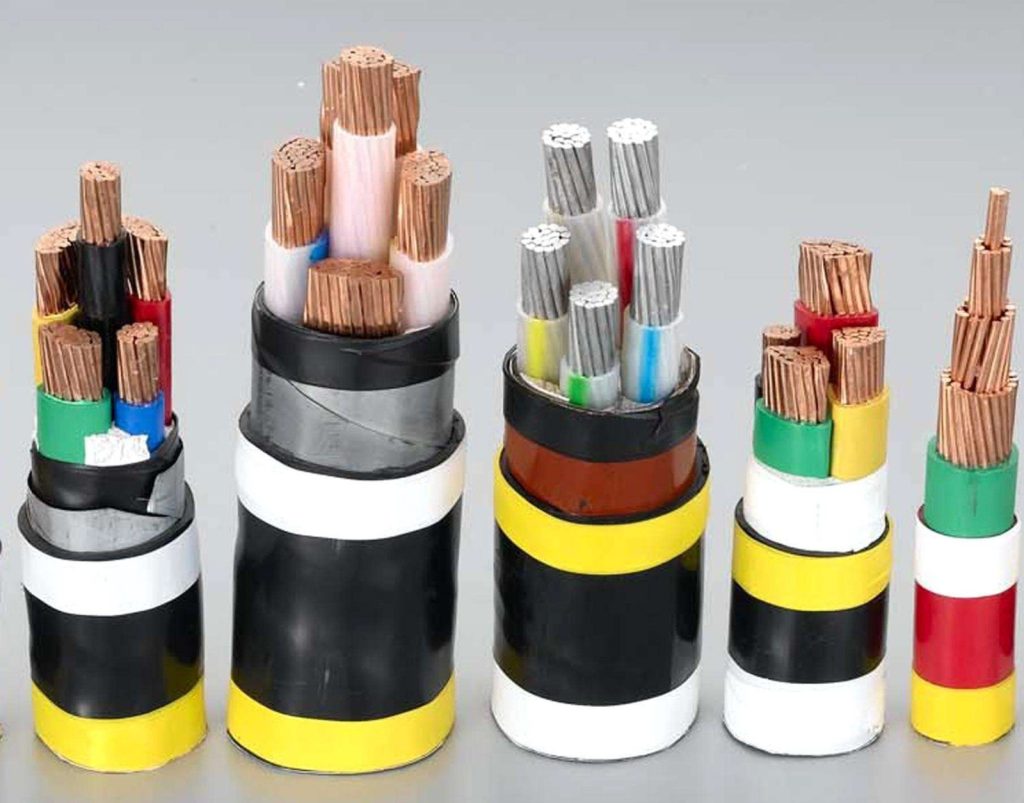
Copper conductor stranding for flexible applications involves trade-offs between strand count, individual wire diameter, and overall conductor cross-sectional area that must deliver required current capacity while maintaining mechanical properties necessary for surviving thousands of flex cycles without progressive strand failure. Fine stranding improves flexibility significantly but increases manufacturing cost because drawing copper to small diameters and assembling hundreds of individual strands into finished conductors requires more processing steps and tighter quality control than coarse stranding alternatives. Cost pressure drives specification compromises. Field failures follow predictably.
Annealing temperature and duration during copper processing affect conductor tensile strength and ductility, which determine whether strand breakage occurs after 500 flex cycles or 5000 cycles when cables get used in applications involving repeated movement or position changes typical of kitchen appliances, power tools, and medical equipment installations. Nisan cords – best flexible wires & cables manufacturer in India specify high purity copper and controlled annealing processes that maintain mechanical properties within tight windows rather than accepting wide specification ranges that allow batch-to-batch variation in flex performance. Consistency costs money. Variability costs more.
Two Pin Power Cord Design Constraints
IS 6538 specifications for 2 pin power cords establish minimum requirements for conductor size, insulation thickness, and plug construction, but standard requirements assume benign installation environments and moderate usage patterns that real-world applications frequently exceed through continuous operation, elevated ambient temperatures, or mechanical stress from furniture movement and cable routing constraints. The batch of 2 pin cords were replaced under warranty because conductor heating exceeded safe limits when operating at rated current in enclosed spaces where convective cooling could not dissipate heat generated by contact resistance at crimp terminations. Design margins proved inadequate.
Plug pin dimensions and contact pressure specifications determine whether insertion-extraction cycles progressively degrade electrical connections through wear and spring relaxation that increases contact resistance over time, eventually generating enough heat to damage socket receptacles or create fire hazards when high-resistance connections operate under load conditions. Best manufactures of 2 Pin power cord in India verify contact specifications through life testing that simulates thousands of plug cycles rather than just measuring initial contact resistance on new samples that reveal nothing about progressive degradation patterns. Initial compliance means little. Sustained performance matters.
Manufacturing Process Control for Flexible Products
Extrusion line temperature control during insulation application affects PVC cross-linking and determines whether finished cables maintain flexibility throughout service life or become progressively stiffer as plasticisers migrate out of insulation compounds when cables operate at elevated temperatures typical of continuous-duty applications. Temperature variance of ±5°C produces measurable differences in long-term flexibility retention. Automated control systems maintain setpoints. Manual monitoring allows drift. Production floor reality determines whether cables perform as designed or fail prematurely because manufacturing variations exceeded design assumptions built into product specifications and qualification testing protocols.
Get Directions