

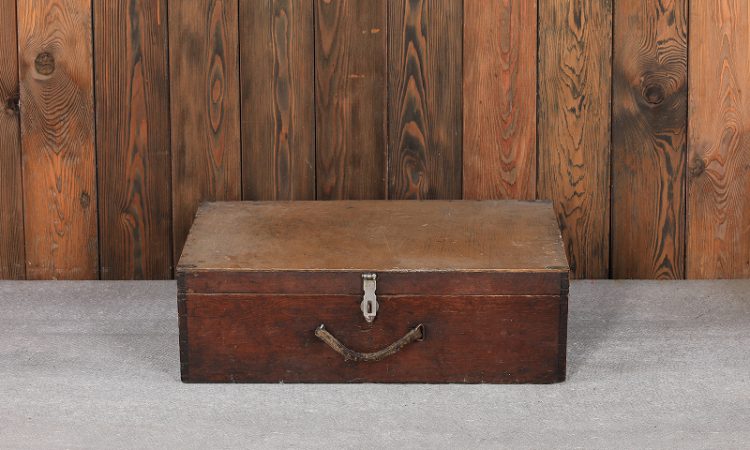
Shipping goods across borders involves challenges such as long distances, multiple handling points, and strict compliance rules. Companies looking for reliable protection often turn to a wooden case for logistics transport. Strong, adaptable, and sustainable, wooden packaging continues serving industries that need secure delivery of equipment, machinery, and cargo. Understanding the benefits highlights why wood remains a trusted solution in international shipping.
1. Durability for Heavy Cargo
Using a wooden case provides strong protection for international logistics transport. Heavy cargo demands materials that withstand weight, pressure, and movement. Wooden structures deliver stability while absorbing shocks during long-distance shipping. Pallets and crates made from solid timber are securing fragile or oversized goods without bending or breaking.
Logistics transport often involves containers stacked and moved multiple times. Wooden material resists crushing while maintaining its form. Goods are remaining intact from departure to arrival. A well-constructed wooden case supports uneven loads, reducing risks of damage. Many industries shipping machinery, automotive parts, or industrial equipment continue relying on wood packaging for this reason.
With weight-bearing strength, wood ensures companies avoid costly replacements or returns. Customers receiving shipments in proper condition gain trust in the supplier. Reliability in cargo handling comes directly from the robustness of wooden packaging.
2. Cost-Effective Protection
Wooden packaging offers cost efficiency compared to alternatives. Producing wooden case structures requires less investment than using metal or advanced composite materials. Reusability adds further value. Wooden crates and boxes can be repaired, repurposed, or recycled for future shipments.
In logistics transport, companies face expenses from breakage, re-shipping, and delays. By choosing wood, businesses reduce these risks and save resources. Compared with plastic containers, wooden cases provide better long-term strength at a lower cost. Disposal or recycling of wooden packaging is also straightforward, limiting waste-handling charges.
Manufacturers producing wooden cases at scale also achieve consistent pricing. For companies managing regular exports, predictable packaging costs support smoother budgeting. Therefore, using wood balances durability with affordability, making it a practical option across industries.
3. Compliance with Global Standards
International logistics transport requires adherence to global shipping and quarantine rules. Wooden case packaging designed according to ISPM 15 standards ensures shipments pass inspections without delay. Heat-treated or fumigated wood prevents pests or diseases from spreading between countries.
Customs authorities worldwide recognise certified wooden packaging. Using approved wood materials reduces the risk of fines or rejection at borders. Businesses shipping without proper compliance face disruption, causing delays in supply chains.
Wood also adapts easily to regulatory markings and labelling. Stamping, printing, or tagging compliance information directly on a wooden case speeds up customs processing. In contrast, alternative packaging materials sometimes fail to meet international phytosanitary measures. Choosing wood guarantees smoother clearance in major logistics hubs.
4. Flexibility in Design
Wooden cases offer flexibility for different cargo shapes and sizes. Manufacturers are cutting, joining, and reinforcing wood to create custom packaging tailored to goods. Logistics transport benefits from packaging that adapts to irregular machinery, fragile instruments, or large equipment.
Unlike standardised containers, wooden structures provide custom fits. Secure compartments or braces inside the case prevent movement during transit. Industries dealing with high-value machinery or delicate goods gain assurance that packaging suits specific dimensions.
Flexibility also means adjusting thickness and reinforcement levels. Goods requiring extra stability receive double-layered walls, while lighter items use thinner panels. This adaptability ensures cost control without compromising safety. Wood remains the most versatile choice for international shippers needing customised packaging solutions.
5. Sustainability and Recycling
Sustainability matters in modern logistics transport. Wooden cases provide an eco-friendly solution because wood is renewable and biodegradable. Many companies prefer using packaging that supports recycling initiatives and environmental responsibility.
After serving shipping purposes, wooden cases can be dismantled and recycled into new products. Wood waste also serves secondary purposes such as fuel or compost. Compared to plastics or metals, wood carries a smaller environmental footprint.
Using wood packaging aligns with corporate sustainability goals. Many global clients value suppliers demonstrating eco-conscious practices. A wooden case shows commitment to reducing waste while ensuring reliable transport. Shippers therefore meet both practical and environmental objectives with one choice.
Conclusion
Using wooden cases in international logistics transport offers unmatched durability, cost savings, compliance with global standards, flexibility in design, and sustainability. Businesses protecting cargo with wooden packaging are strengthening supply chains while meeting client expectations.
Contact Sin Chew Woodpaq today for durable wooden case solutions designed to support seamless logistics transport worldwide.